Introduction
Rapid site-directed mutagenesis (RSDM) is a powerful technique used to introduce specific mutations into a DNA sequence. It has revolutionized genetic engineering, enabling precise modifications for research and therapeutic purposes. This method is widely employed in protein engineering, functional genomics, and molecular biology, offering accuracy and speed.
What is Site-Directed Mutagenesis?
Site-directed mutagenesis is a technique for introducing targeted changes in a DNA sequence, such as base substitutions, deletions, or insertions. Rapid methods streamline this process, allowing for quick and efficient generation of mutants. Learn more about the basics of mutagenesis from the National Institutes of Health (NIH) and NCBI.

Key Features of Rapid Site-Directed Mutagenesis
- Speed and Efficiency: Enhanced protocols reduce reaction and processing times compared to traditional methods (PubMed Research).
- High Specificity: Precisely targets the desired site without off-target effects, as demonstrated in studies available on NCBI.
- Minimal Material Use: Requires fewer reagents, making it cost-effective (FDA Research Guidelines).
Applications of Rapid Site-Directed Mutagenesis
1. Protein Engineering
Researchers use mutagenesis to create proteins with improved stability, activity, or new functionalities. For example, enzymes can be optimized for industrial applications (NIH Protein Engineering Studies).
2. Functional Genomics
RSDM helps elucidate gene function by introducing mutations and studying phenotypic effects. Learn more at Genomics Science Program.
3. Therapeutic Development
In drug development, mutagenesis is used to identify and optimize therapeutic targets, as outlined by the FDA’s Biotech Research.
4. Synthetic Biology
Synthetic biology leverages mutagenesis to design and build new biological systems. Explore related breakthroughs at NSF Synthetic Biology Initiatives.
Rapid Mutagenesis Kits
Many commercially available kits simplify RSDM, providing pre-optimized protocols and reagents. Examples include:
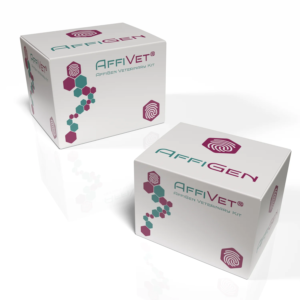
- AffiGEN® Express II Fast Mutagenesis Kit: Designed for speed and accuracy in genetic modifications.
- QuikChange® Kits: Popular for site-directed mutagenesis applications (NCBI QuikChange Protocols).

Advantages of Rapid Site-Directed Mutagenesis
- Time-Saving: Entire mutagenesis processes can be completed in hours instead of days (PubMed Articles).
- Reduced Errors: Optimized protocols minimize errors during DNA amplification and replication (NIH Molecular Biology Guidelines).
- High Mutation Rates: Achieves efficient incorporation of mutations with minimal failed reactions (FDA Genetic Engineering Resources).
Technical Workflow
- Primer Design: Use specific primers containing the desired mutation. Tools like Primer-BLAST on NCBI aid in design.
- PCR Amplification: Mutated DNA is amplified using high-fidelity polymerases to ensure accuracy.
- DpnI Digestion: Removes parental (non-mutated) DNA templates to enrich mutated DNA.
- Transformation: Mutated DNA is introduced into host cells for propagation and validation (FDA Guidelines for DNA Transformation).
Limitations and Solutions
- Off-Target Effects: Proper primer design and high-fidelity polymerases reduce these risks (NIH Genomics Research).
- Template Contamination: Using purified templates minimizes contamination (CDC Lab Practices).

Future Directions
Rapid site-directed mutagenesis is evolving with the integration of automation and AI-driven design tools, increasing efficiency and scalability. Emerging techniques, such as CRISPR-based mutagenesis, complement traditional methods, expanding the possibilities of genetic engineering (NIH CRISPR Research).
Conclusion
Rapid site-directed mutagenesis is an indispensable tool for modern molecular biology. It offers unparalleled precision and efficiency, supporting advancements in research, therapeutics, and synthetic biology. As protocols continue to improve, this technology will remain a cornerstone in genetic engineering. For further resources, visit NCBI, FDA, and NIH.